
Deconstructing the Roles of Photographer and Client
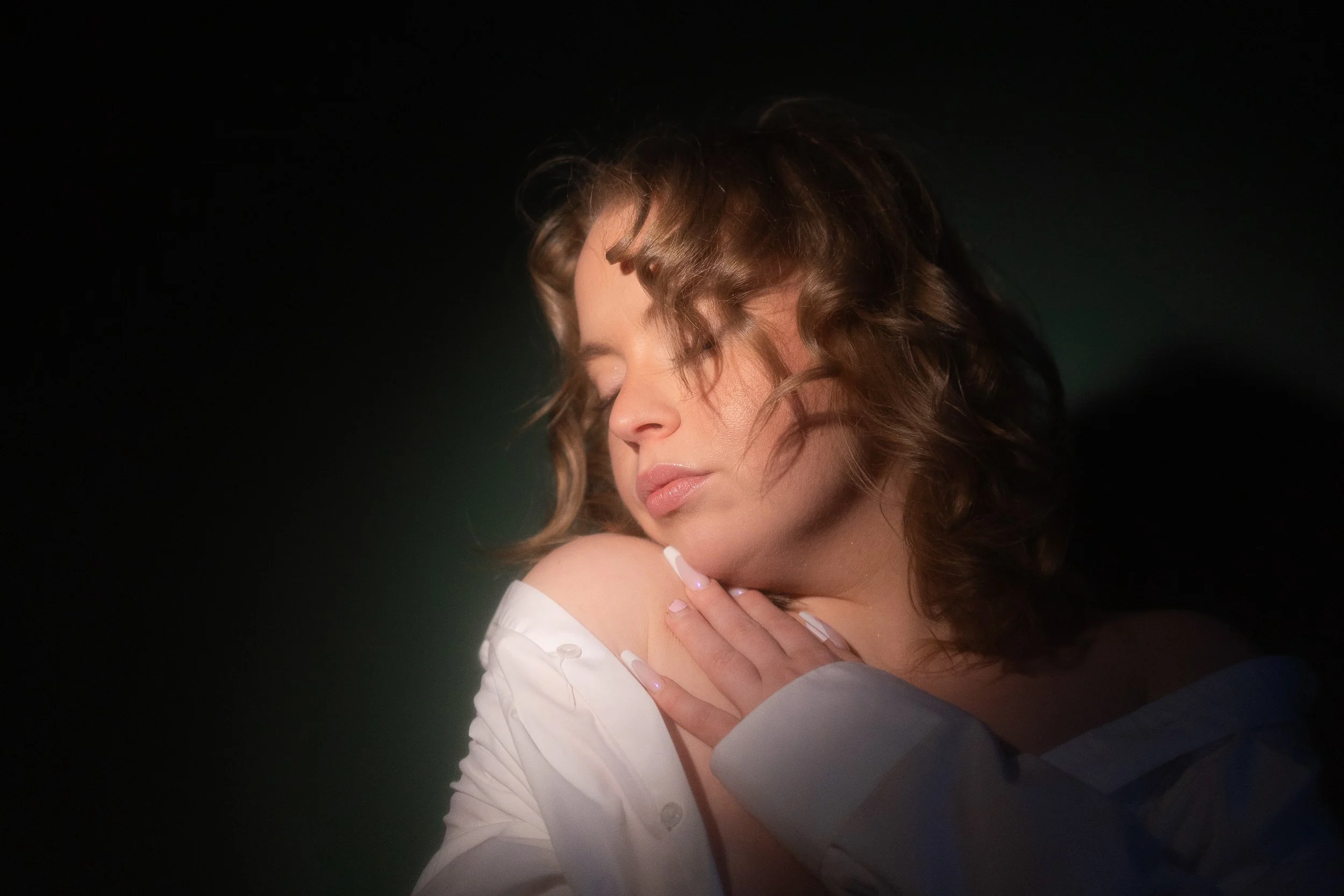
Inquisitiveness is part of who I am, and it is also central to my photography. I draw extensively on skills I learned in a previous chapter of my life. My ethnographic fieldwork taught me a great deal about engaging with people. I learned how to give space while still maintaining focus on the task at hand. Being a researcher also taught me to question my own attitudes and to critically examine my actions. I owe much of this perspective to the intersectional feminist friends from whom I have learned an incredible amount. Yet theory alone achieves nothing; it only becomes meaningful through lived experience.
For all these reasons, photography is, for me, first and foremost an activity. Art takes shape in the creative space between photographer and subject, where both parties have full autonomy. The images emerge through negotiation, experimentation, play, and the testing of ideas. Naturally, there is an aesthetic dimension to the photographs, but what matters most to me is what happens during the photo session itself.
The Session is the moment when theory becomes practice, and that is precisely why I speak so much about the power structures embedded in photography, critique unattainable beauty ideals, and emphasise the subject’s role in the creation of the images.
Photo sessions are collaboration
I do not claim to be exceptional in this way of thinking, and I know many photographers who share it. However, there remains a strong paradigm in photography in which the photographer’s role is foregrounded. Photographs are often understood primarily as the photographer’s artistic output, reflecting their aesthetic preferences. This is certainly true, and my own photographs are also the result of my artistic expression. At the same time, I want to stress more clearly that the persons I photograph play an equally central role in the creation of the images. Without them, there would be no photographs at all.
Creating images together truly means engaging in a shared creative process, from the very first meeting through to the delivery of the photographs and the feedback conversation that follows. Collaboration permeates every stage of the process. Some people may feel they are not capable of participating in such an artistic process, but I can assure them that these fears are unfounded. At its core, it is about communication and about making the person I photograph feel that their thoughts and ideas matter.
It is my responsibility to shape the interaction in a way that allows every participant to feel full agency throughout the entire process of making the images. This does not mean that I manipulate or control situations. Rather, it means that I make the power structures at play visible, and that I encourage people while always respecting their boundaries.
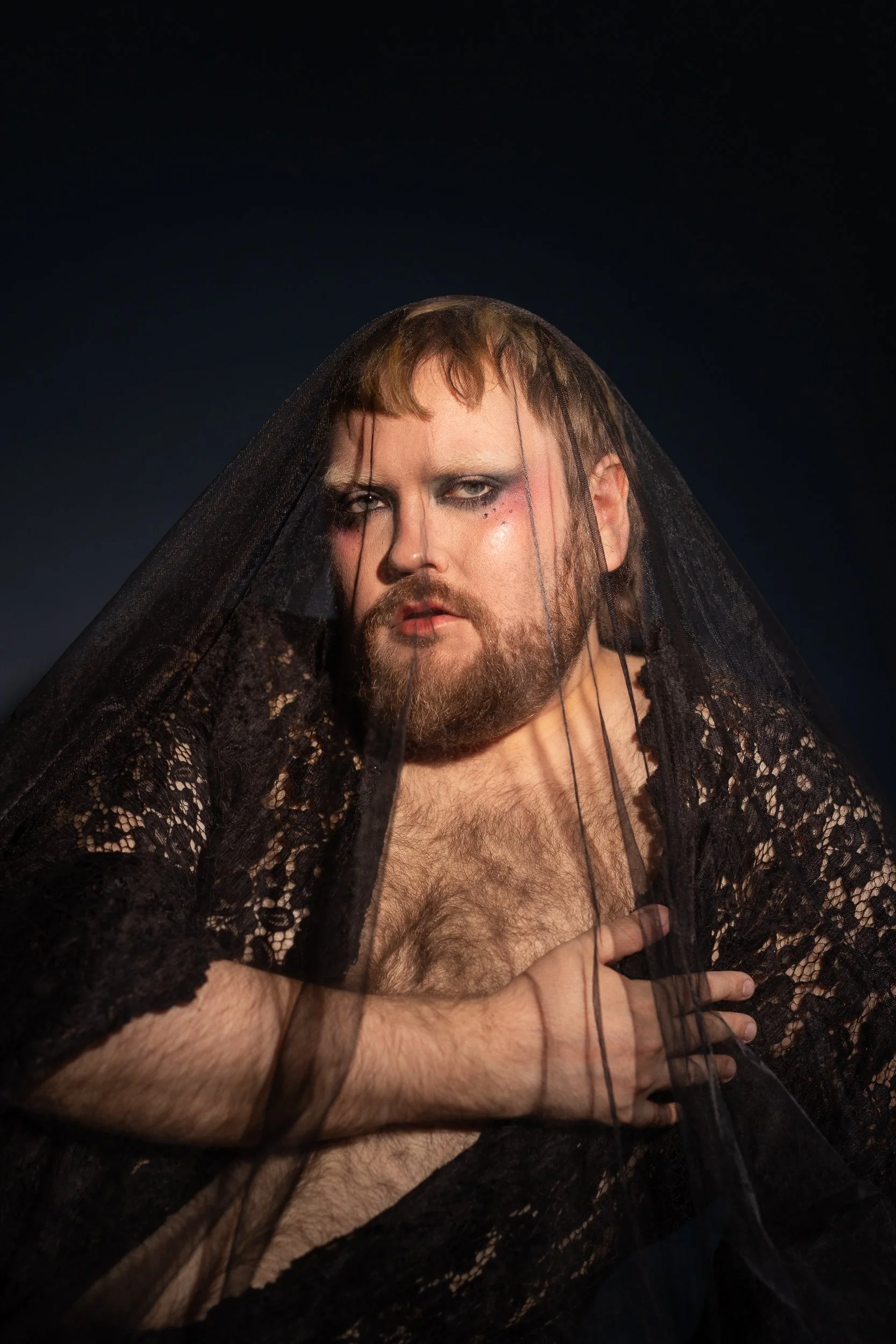
Do I need to know something special in order to be photographed?
The concern, “Do I need to know something special here?”, is entirely understandable. In my experience, every person who has stood in front of my camera has brought something uniquely valuable to the images, something I could never have created on my own. In this context, “skill” is not even the right word. A photo session involves two or more people, each bringing something of themselves into the moment. I never leave the person I photograph to fend for themselves on some vague obstacle course; instead, I offer my professional expertise. Nor do I speak about posing. Rather, I emphasise that each person’s natural presence and movement form the starting point of the images and, for me, the greatest source of inspiration.
For this reason, photo sessions are planned very actively together with my clients. We talk and exchange ideas. I ask for consent at every stage, and we discuss our boundaries together: what feels good, what feels neutral, and what is something they absolutely do not want to do. We also talk about more abstract elements, such as the kind of “vibe” they want the photos to have. This might relate to the location, atmosphere, or aesthetic choices. How that vibe is achieved technically is my responsibility, but I do not dictate what it should be.
We should play more in the field of photography
I often talk about play and experimentation in photography. I firmly believe that we adults should play more. To be free, or at least to be freed from, constraints and shame, if only for a moment. Play and experimentation open doors to new ways of being, both within our own bodies and in relation to our surroundings. They hold enormous potential to release something within us that appears in the images as powerful emotion, breathtaking moments, and the endless beauty of humanity.
For me, every person I photograph is also an opportunity to challenge my own skills and to discover new ways of making images. It is a tremendous gift, and one I cherish with all my heart.
Tinksu