
An Experience of Being Photographed
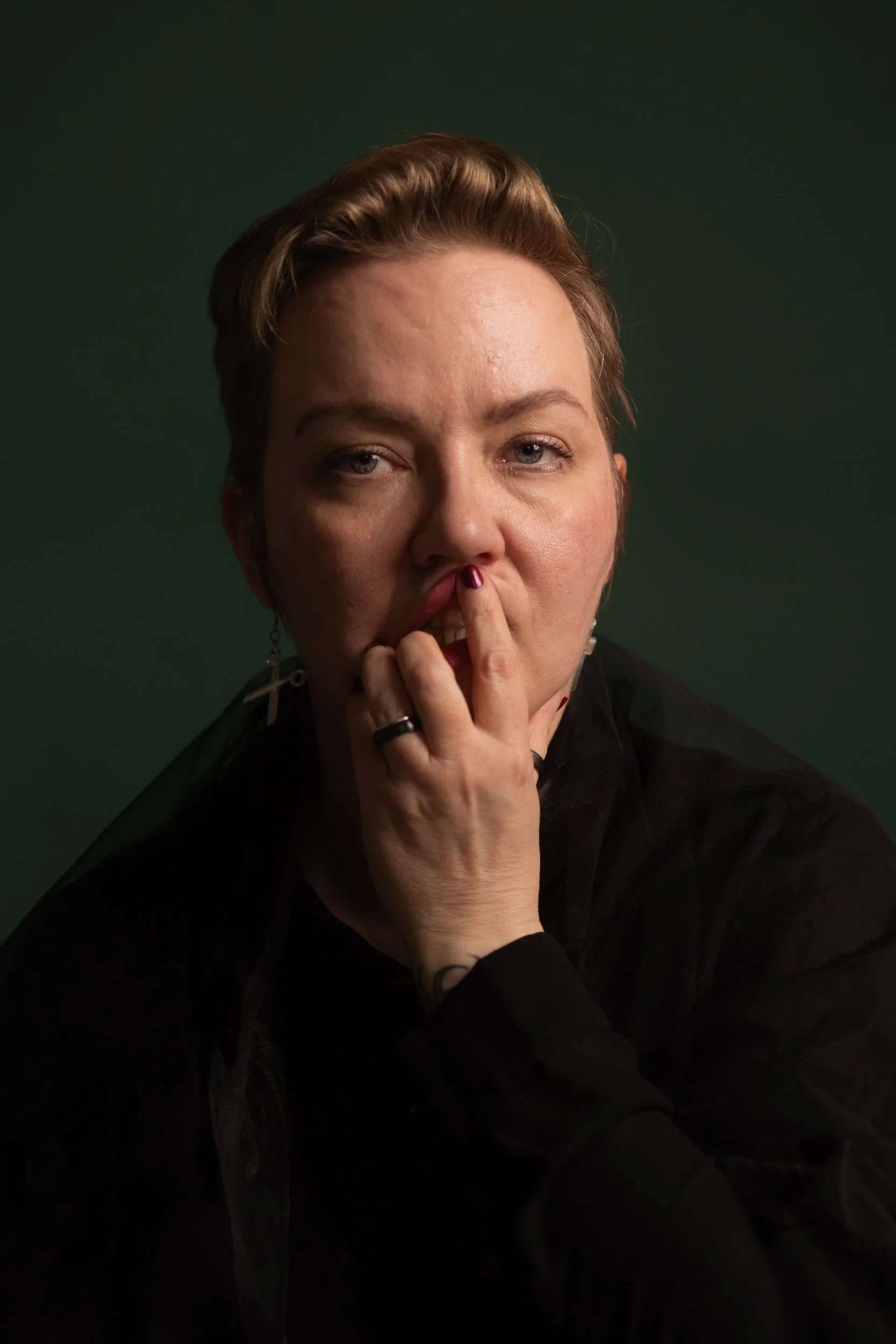
This is a difficult text to write. Not so much because of what happened, but because I allowed it to happen. This is not about anything dangerous or anything that would warrant a content warning, but rather about communication issues. To be fair to myself, I did not know any better, and the same applies to the photographer. A long time has passed since then, and conversations were not yet where they are today.
A few years ago, I booked a kind of boudoir shoot for myself. The session was short and the photographer was a professional. I planned the outfits and did my own hair and make-up. Visually, it sat somewhere between boudoir and pin-up. I arrived, changed clothes, and waited for my turn.
What happened during the photography session?
The photographer was professional and respectful. The set was ready, and they guided me through the shoot. I did everything they wanted, and none of their requests were rude, unpleasant, or offensive. Everything moved along smoothly. I received encouraging feedback, and in the end we thanked each other. All good — except that I felt uncomfortable.
If I had known then what I know now, I would have understood why the photography session felt so difficult. It was not so much that our “chemistry” simply did not work, as I thought for so long. It was that, throughout this session, I felt as though I were a doll being turned into different poses. I was like modelling clay, being shaped to fulfil the photographer’s aesthetic vision. That is not a pleasant feeling.
In a way, I was being directed too much. I did not feel that I had any agency of my own. I was only a surface, an extended ankle, a directed gaze, and a body made to fit the demands of the genre. An experience like that leaves you feeling empty. When you are treated like a shell, you feel like a shell. The photographer did not do this intentionally. The world was simply like that back then. Hardly anything was said about agency or boundaries.

What sort of photos did I get?
There are two ways to answer that, and both are true at the same time. I got good photos. I got bad photos. The images were certainly beautiful, technically accomplished, fun, and flattering. They were also painfully false.
First of all, I did not see myself. Not because the experience itself had left me hollow, but because the photographer had retouched my skin beyond recognition. I have never, even as a child, had skin as silken and velvety as in those pictures. There was not a single pore in my photos. My skin was completely even in tone. I had no eye bags (and I have had those, demonstrably, since primary school). My age, my body’s distinctive features, and who I really am were not allowed to show.
The contradiction between reality and those photos was immense. In part, I loved those pictures. In them, I was as close to perfection as I could get. But the photos also caused me tremendous shame. The person I really was — with my acne scars, eye bags, enlarged pores, and wrinkles — was now somehow wrong. Those features had become flaws, automatically removed from the pictures without my being asked. Every line that told the story of my lived life had been removed, softened away, erased from those images. That burden was heavy to carry. I never went back to those photos. They were never a source of self-knowledge, strength, or self-acceptance for me.

What would I do differently now?
As a photographer who has been photographed a great deal, I know better now. As a photographer, I always bring some degree of a documentary approach to photography sessions, even when they are portrait sessions in a studio under highly controlled conditions. I photograph, and want to be photographed, in the moment, exactly as the subject — or I myself — am. For me, feeling a connection matters more than the surface.
In the situation described above, I would have wanted a very clear conversation at the start about the fact that the person being photographed has an equal right to influence the course of the shoot. I would have wanted to know that these are my photos and that the photos are for me, not for the photographer, and not to meet some imagined standard. I would have wanted to be told that I am good just as I am. I would have wanted to be asked about editing, and told that, for example, skin texture is never a flaw or something to be hidden.
I do not regret going to that boudoir session. It was a valuable experience, one that I would not have understood the importance of agency and dismantling power structures without, not in any real, lived, personal sense. Today I know better, and because of that, I do better too, both for myself and for those who step in front of my camera.
Tinksu