
Image Post-Processing – What Does It Mean to Me as a Photographer?
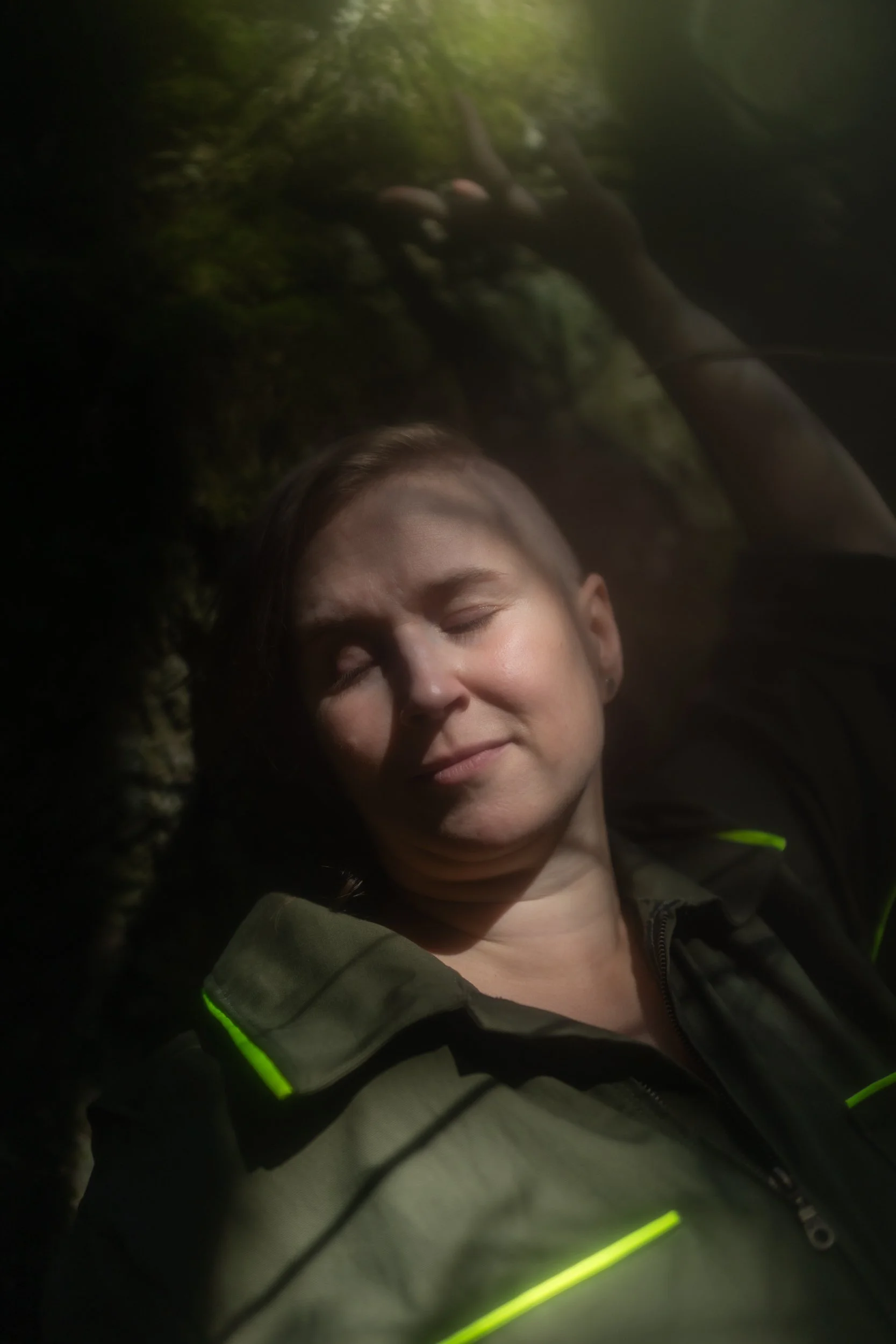
The photography process can be broadly divided into three stages: planning, taking the photographs and post-processing. Each of these has its own significance. I have previously written about post-processing from slightly different perspectives, but now I want to explain in more detail what I do during post-processing. This is, after all, an area of the process where it is still easy to go wrong.
Many photographers have experienced the phase early in their careers when, upon discovering the world of image editing, they processed their photographs very heavily. Sliders were moved from one extreme to the other, and the results reflected that. Once you get past that initial excitement, you realise that less is often genuinely more. These days, I belong to the school of thought that creates effects during the photography session rather than afterwards. I offer a hands-on approach.
Basic adjustments
After selecting the photographs, I usually choose all the images taken in the same lighting conditions as a group and make a few basic adjustments. I add a little contrast, slightly increase the clarity of the details and reduce the saturation of the yellow colour channel just a little. These adjustments help me work on each image accurately and carefully. At the same time, I can make the image slightly warmer if necessary without turning it yellow. The basic adjustments are very subtle, and I would argue that they may not even be noticeable unless you pay particular attention to them.
After this, I remove elements from the images that do not belong there. These might be a bin in the background of an outdoor photograph, passers-by who have nothing to do with the image, or, in studio photographs, areas where I need to extend the background because it ends too soon. Next comes the cropping stage. This is often very quick for me because, as a photographer, I compose my images during the photography session. I may straighten the image or crop it slightly, but I am not the kind of photographer who leaves a lot of negative space as a precaution and then composes the image during post-processing. I prefer to do all of that at the time of taking the photograph.
Fine-tuning the images
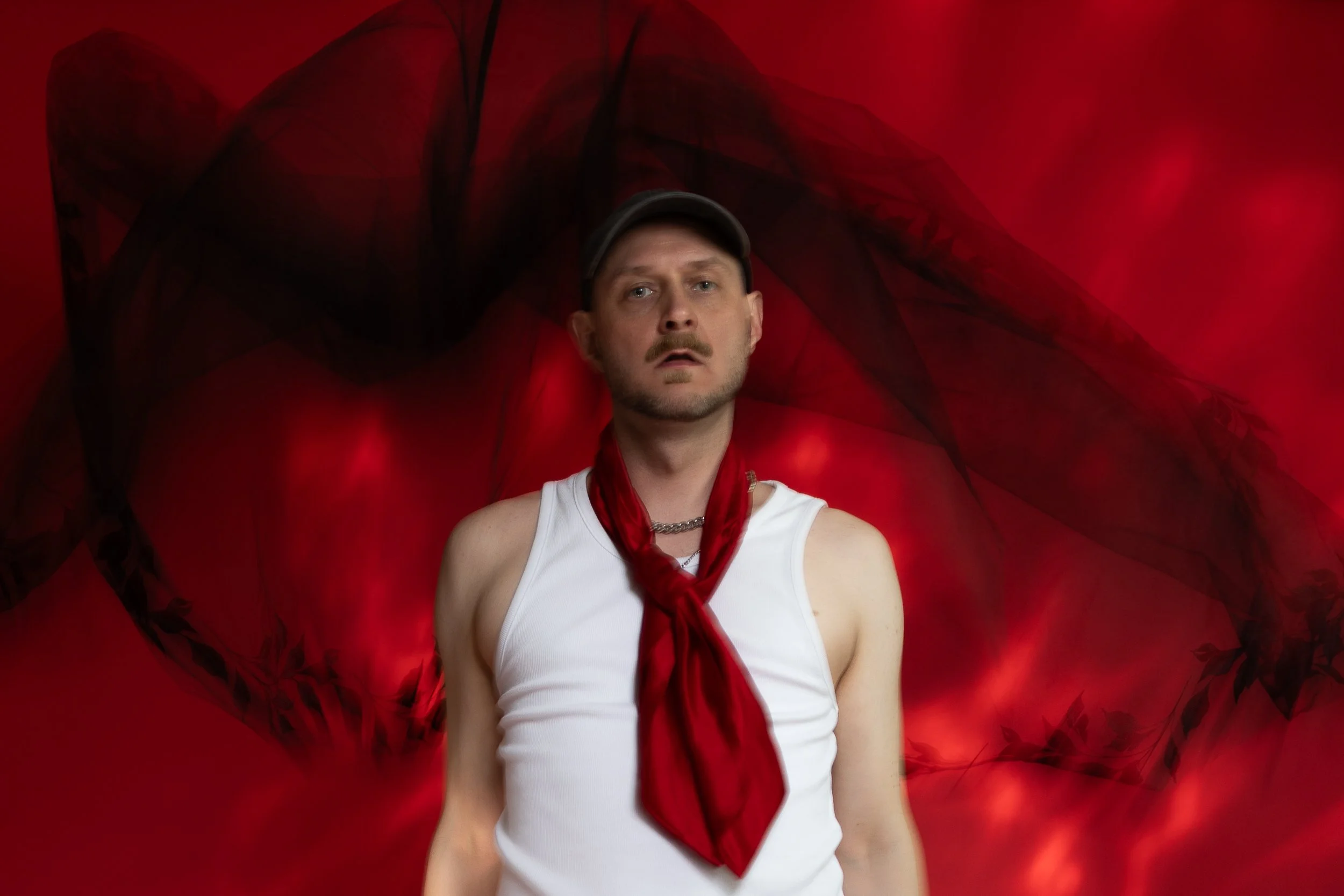
I already have an idea during the photography session of what the image will look like after post-processing. I take the photographs using camera settings that allow me to achieve my desired result later with only very subtle adjustments. If the aim is to create a moody low-key image, you can be sure that my raw files will be slightly underexposed. If it is a high-key image, I aim for a precise mid-tone exposure. As I said, I do most of the work during the photography session.
Correctly exposed raw files contain all the information, and in principle it is possible to do almost anything during post-processing. That is not an option for me, because heavy editing usually shows in the images, and that is not the aesthetic I aim for. There are, however, situations where I want to mask part of an image and lower or raise the exposure in only one area to create the right atmosphere. Masking itself is relatively easy, and it is definitely part of my toolkit.
I do most of my work in Lightroom and open the images in Photoshop only in exceptional cases. I mainly use Photoshop when I am specifically asked to construct an image or when, for example, the background needs to be removed from a portrait. I have created, among other things, an album cover from photographs I took. I also enjoy making all kinds of playful images in Photoshop for my friends, mainly so that my skills do not become rusty. However, I do not construct images for the people I photograph, as that would not suit the nature of my work.
My philosophy of image editing
If I had to condense my philosophy of image editing into one sentence, it would be something along these lines: What I do with a camera in my hands is more important than what I do in an image-editing programme. I believe it is more important to master camera technique and understand all the wonderful things a camera can do than to extract everything possible from photographs during post-processing. Image editing is one part of creating photographs for me, and its role is to support my artistic vision and aesthetic, rather than control the process.
As those who follow my work already know, I never alter a person’s body or physical features. In this respect, subtle image editing is also consistent with this principle. Although some of my photographs contain various effects, you can be sure that they were created during the photography session. I was taught commercial retouching for advertising photography in the past — I mainly use it to smooth out wrinkles in clothing when necessary — as well as much more invasive forms of editing. Even so, I do not rely on them in post-processing.
I believe it is more important that the people I photograph know they are receiving genuine images: photographs that show them as they were during the photography session. It matters that they know everything visible in the image is as it was at the time the photograph was taken. I could not pass on my own truth, and that of the person I photographed, in an altered form. Everyone who stands in front of my camera sees themselves as they truly are, but they also see my perspective. They see how I saw them in that moment. There is no room for lies or harsh alterations in that.
— Tinksu