
What Inspires Me as a Photographer?
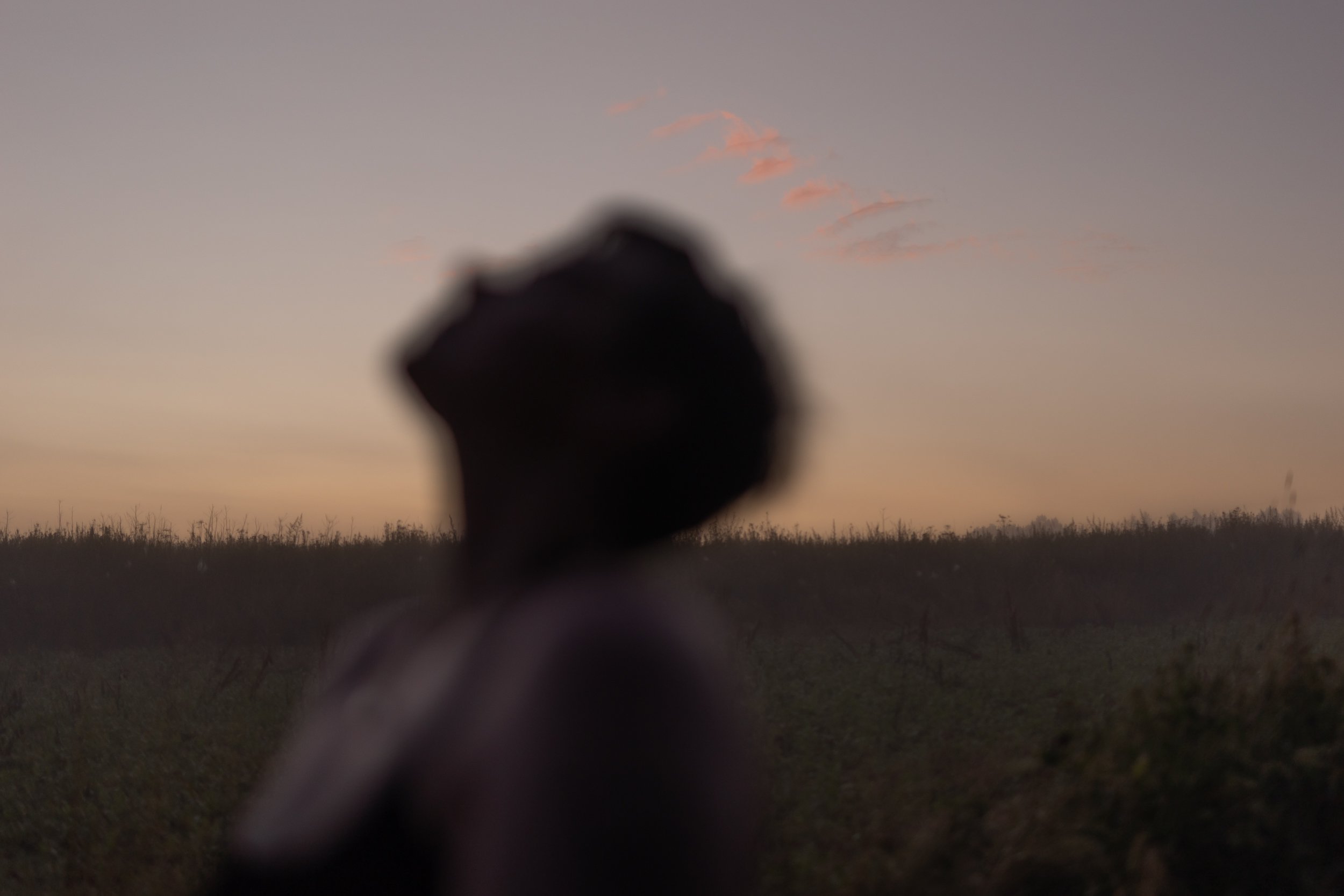
I’ve recently had many conversations about what inspires me as a photographer. These conversations have felt meaningful, but also very vague. I have repeatedly struggled to put into words what I feel, what I see, what it awakens in me, and where all of this leads. Words don’t seem enough; their meaning feels imprecise, or I can’t quite grasp what I’m really trying to say.
Let’s go back to the 1990s. I’m young. Social media doesn’t exist, but no one is missing it. Images of beauty, desirability, interest, and everything that is considered “right” are powerfully conveyed through television, magazines, and our parents’ voices. Kate Moss on the cover of Vogue. The situation does not improve at all after Y2K. For a while, body positivity gains more ground, but at present we have returned to where I myself began comparing myself to others.
At the centre of everything is someone else’s gaze. The self is always in relation to another, and, most importantly, one’s appearance always exists in relation to another. Simply being oneself, as you are, is not encouraged. Improve, amplify, perform, be desirable, be thin, be hot. Our space simply to exist is shrinking all the time.
Photographs play a huge role in this endless cycle of the gaze. Paradoxically, photographs are also an excellent and powerful tool for breaking this toxic cycle. Although I often say that my subjects need to feel that they are seen, that does not mean my gaze is about how they look. They need to see themselves in the photographs, and that is far harder, more delicate, and far richer than a gaze focused on outward features.
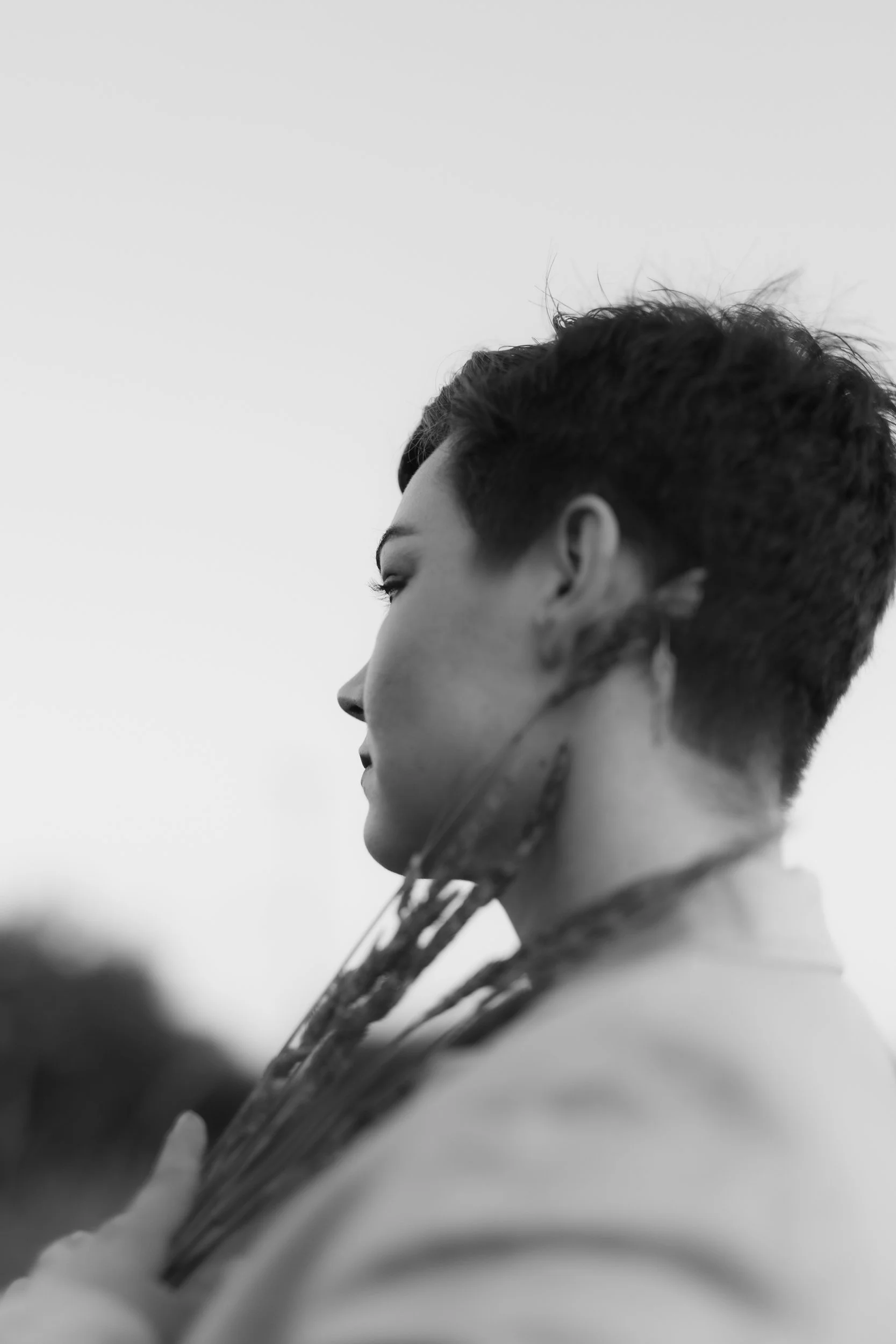
The vagueness of words makes this difficult. Compared with the 1990s, we are now surrounded by many times more images. Almost every medium we use is focused on images. We look at (and compare) other people (and at ourselves) constantly, surrounded by all these images. We are guided to look at appearance and to speak about the gaze in pragmatic terms. Being seen is a bodily act. Generic norms make bodies that do not conform seem “radical”, “brave” or “activist”, and that has its own significance. Nothing changes if nothing is changed. On the other hand, bodies that do not conform to norms exist as ends in themselves. Bodies must also be given the peace simply to be.
In a society like this, it is very difficult to talk about being seen without it being directly linked to a person’s appearance. Beauty, for example, is treated as if it were somehow a measurable quantity, even though each person’s ideas of beauty or aesthetic preferences differ. To be frank, it is entirely secondary to me what my subjects look like, what clothes they wear, or whether they fit normative structures or not. I do not photograph what people look like.
Confusing. So what do I photograph, then, or what inspires me? I photograph the person in front of my camera in their entirety: imperfect, paradoxical, and fully human. I am inspired by story, by emotion, by moments. I photograph connection in this very moment, in the middle of a creative process whose result is images in which a person recognises themselves. That is why The Session is not a “photo shoot” but first and foremost play, experimentation, and collaboration. We are both present. We both make these images.
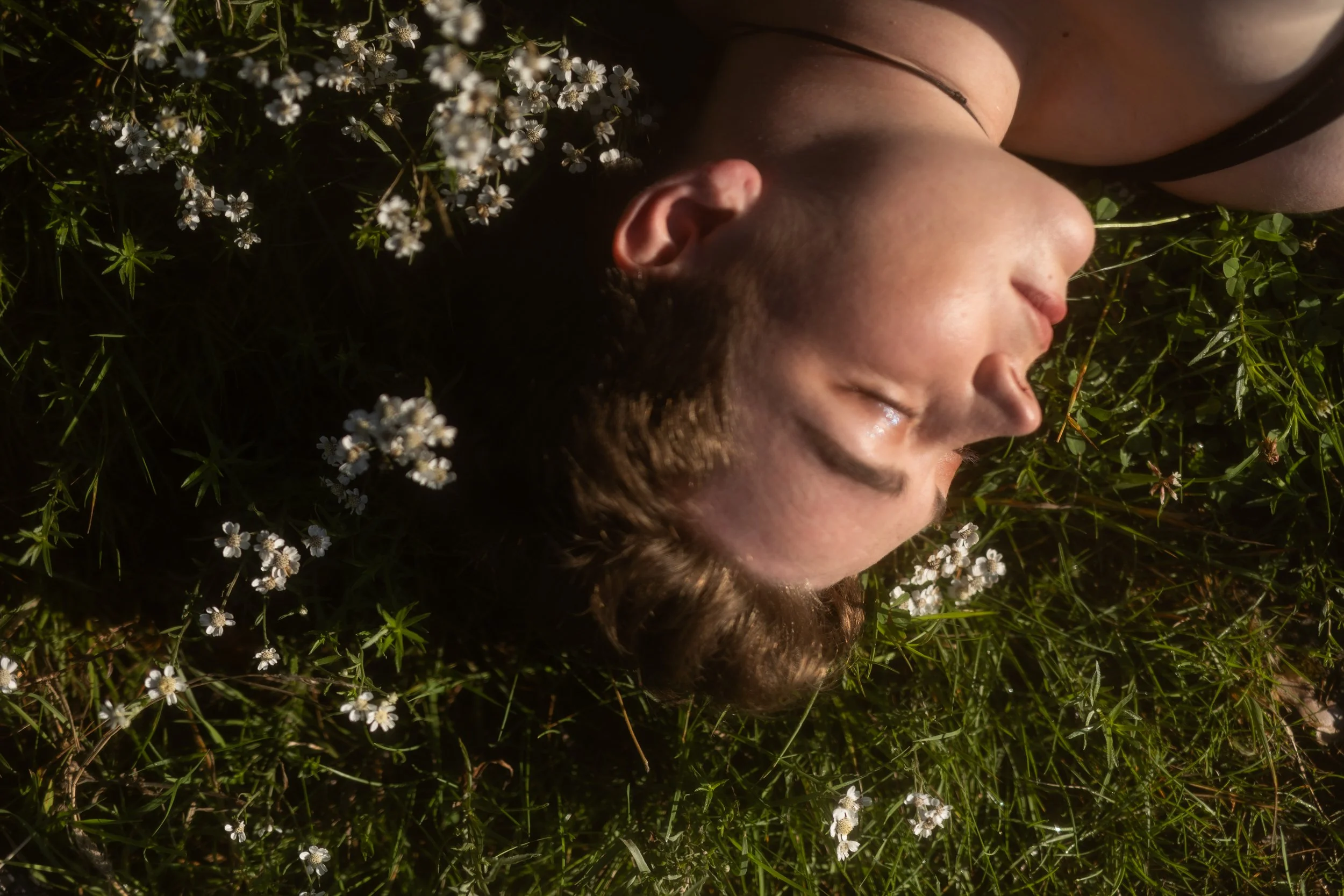
What you look like is not the most important thing. The nature of your body or your functional ability is not a measure of the “quality” of the images. Every person who comes in front of my camera is incredibly interesting, varied, and breath-taking. As a photographer, I want to be present, laugh, help through the difficult moments, and play freely like children do. No shame. No performance. Only consensual play and a safe space in which to create meaningful images.
Did I answer the question? Many words have been used, and yet it still feels as though they are not enough. If I try to distil this long and winding text into a single sentence, it might be this: I am inspired by you, just as you are at this point in your life.
— Tinksu